Key Takeaways
- Dry eye can make your contacts sting, burn, or feel gritty by the afternoon.
- Daily disposables and silicone hydrogel lenses can help reduce dryness for many wearers.
- Scleral, hybrid, toric, and ortho-k lenses give you more choices for severe dry eye or astigmatism.
- Rewetting drops, clean habits, and screen breaks can help you stay comfortable in dry Colorado air.
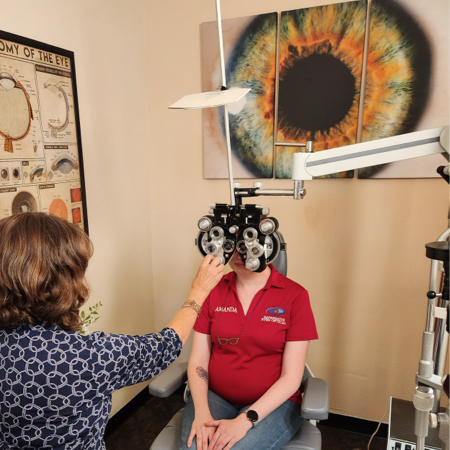
- A contact lens exam helps your optometrist match a lens to your eyes.
Contacts and dry eye can still be friends. A lens sits right on the surface of your eye, though, so dryness tends to show up faster when you’re wearing one.
The family-focused team at Impressive Eyes Optical helps kids and grown-ups find lenses that feel good from breakfast to bedtime. The right lens depends on your eyes, but daily disposables and silicone hydrogel lenses work well for many dry eye wearers, while scleral lenses can help with more severe dryness. A contact lens exam can help you figure out which one suits you.
How Does Dry Eye Affect Contact Lenses?
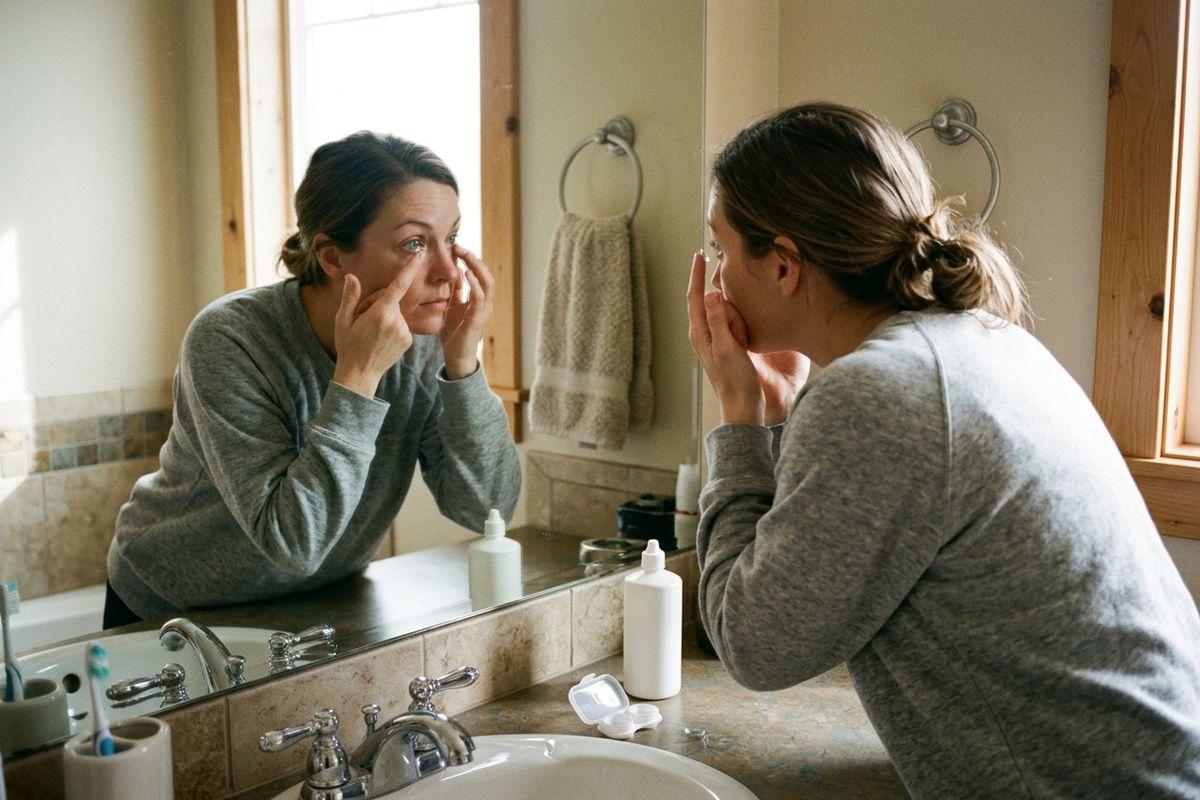
When you have dry eye, the surface of your eye doesn’t stay moist enough to feel comfortable. Contacts rest on your tear film, so any dryness you already have can feel more noticeable with lenses in.
Signs of Dry Eye to Watch For
Watch for these signs, especially near the end of a long day:
- Burning eyes
- A gritty feeling, like there’s sand in your eye
- Redness
- Watery eyes, which can happen when your eyes try to make up for dryness
- Blurry vision that clears up when you blink
Why Your Contacts Can Feel Dry
Soft lenses hold water, and some can pull moisture from your tears to stay hydrated. Proteins and pollen can also build up on a lens over time. Some contact lens solutions contain preservatives that can irritate sensitive eyes, too.
Which Contact Lenses Work Well for Dry Eye?
If dryness has you pulling your lenses out early, try talking to your optometrist about one of these lens types.
Daily Disposable Lenses
Open a fresh pair each morning and toss them at night. Since each pair lasts a day, buildup has less time to collect on the lens. Plus, you can skip cleaning solution entirely, which is handy on hectic school mornings and camping weekends.
Silicone Hydrogel Lenses
Silicone hydrogel is a lens material that lets more oxygen through to your eye than older soft lenses. These lenses come in daily, 2-week, and monthly options, so you can pick a replacement schedule that fits your family, whether it’s soccer season or summer camp.
Lenses with high water content can lose moisture faster in dry air, so a lower-water lens may feel better for some dry eye.
What Are the Options for Severe Dry Eye or Astigmatism?
Astigmatism happens when the front of your eye has an uneven curve, which can make your vision blurry up close and far away. If you have it, or if your dry eye is severe, ask about these specialty lenses.
Scleral Lenses
Scleral lenses are larger lenses that arch over the clear front of your eye and rest on the white part. You fill each one with saline before inserting it, and that fluid layer can keep your eye’s surface moist all day.
Their size can also shield your eyes from wind and dust, which is handy on a breezy hike.
Hybrid Lenses
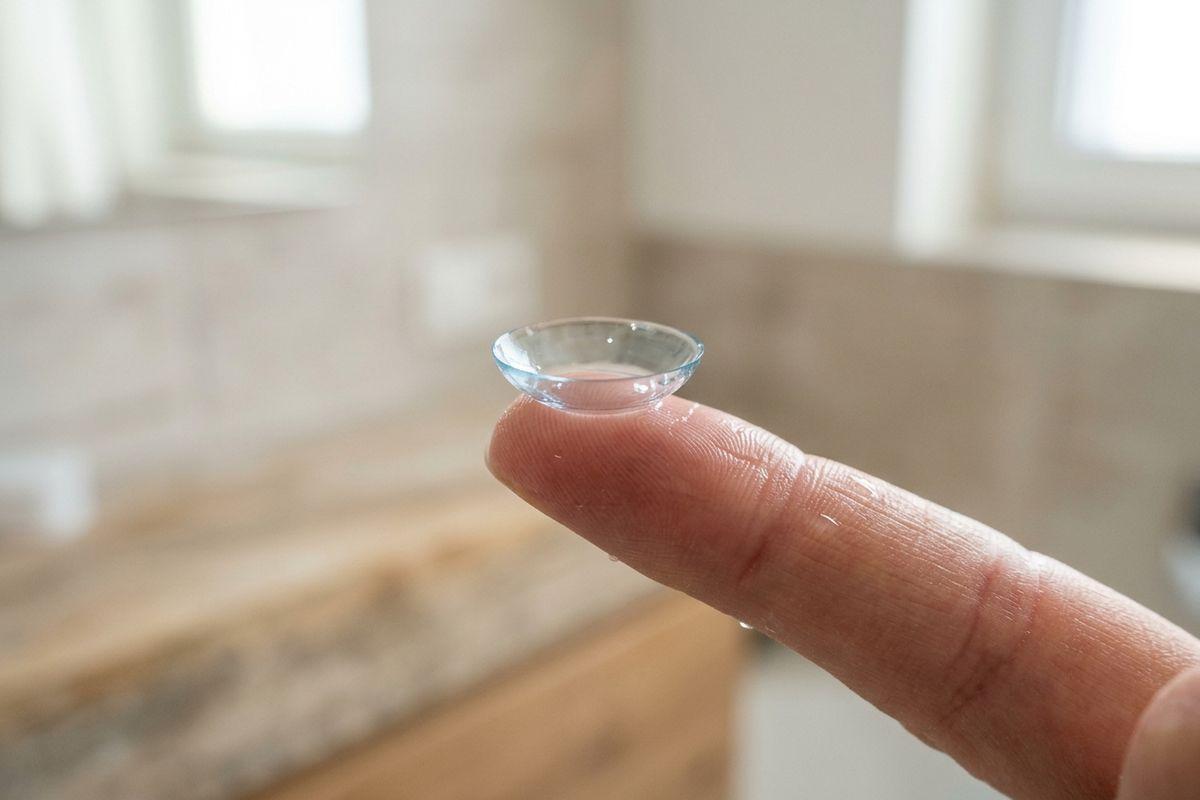
Hybrid lenses combine 2 lens types: a firm center surrounded by a soft outer ring. The center can give you sharp vision if you have astigmatism, and the soft edge can feel more comfortable than a fully rigid lens.
Toric Lenses
Toric lenses are soft lenses shaped to correct astigmatism. Some come in silicone hydrogel, so you can look for a pair that corrects your vision and suits your dry eyes.
Overnight Ortho-K Lenses
With orthokeratology (ortho-k), you wear rigid lenses only while you sleep. They gently reshape the front of your eye overnight, so you may be able to go lens-free during the day when dryness tends to bother you most. For kids, that also means there’s no lens to lose on the playground.
How Can You Ease Dry Eyes While Wearing Contacts?
A few small changes to your routine can help your lenses feel better, and most of them take less time than tying your shoes.
Eye Drops and Lens Care
Grab rewetting drops labeled safe for contacts. For cleaning, ask about preservative-free solutions or hydrogen peroxide systems. Wash your hands before you touch your lenses. Then swap them out on schedule, even if they still feel fine.
Daily Habits That Help Dry Eye
Try these habits around the house and in the classroom:
- Follow the 20-20-20 rule: every 20 minutes you spend on a screen, look at something 20 feet away for 20 seconds.
- Aim fans and car vents away from your face.
- Run a humidifier in the bedroom, which can add moisture to dry indoor air while you sleep.
- Give your eyes a few lens-free hours each day, and take your contacts out before bed unless your optometrist says otherwise.
Book a Contact Lens Exam for Comfy, Happy Eyes
With the right lens and a good fit, many people with dry eye can wear contacts comfortably from the first cup of coffee to lights out. Impressive Eyes Optical has cared for families in Colorado Springs since 1994, and we always like to say hi and chat a bit before we start talking lenses.
Book your contact lens exam and tell us what’s been bothering your eyes. We’ll help you and your family find a pair that feels good all day long.