Key Takeaways
- Eye strain can show up as sore eyes, blurry vision, headaches, and a tight neck.
- Long screen time, dim light, and dry air can leave your eyes tired.
- Most cases of strain ease within minutes to a few hours after you rest.
- Practising the 20-20-20 rule, blinking more often, and improving the lighting in your workspace can help a lot.
- Strain that sticks around may point to a vision issue worth checking.
Common Signs Your Eyes Feel Strained
You finish a long day in front of your screen, and your eyes feel like sandpaper. That heavy, achy feeling often points to digital eye strain, a condition that our team at Impressive Eyes Optical sees often.
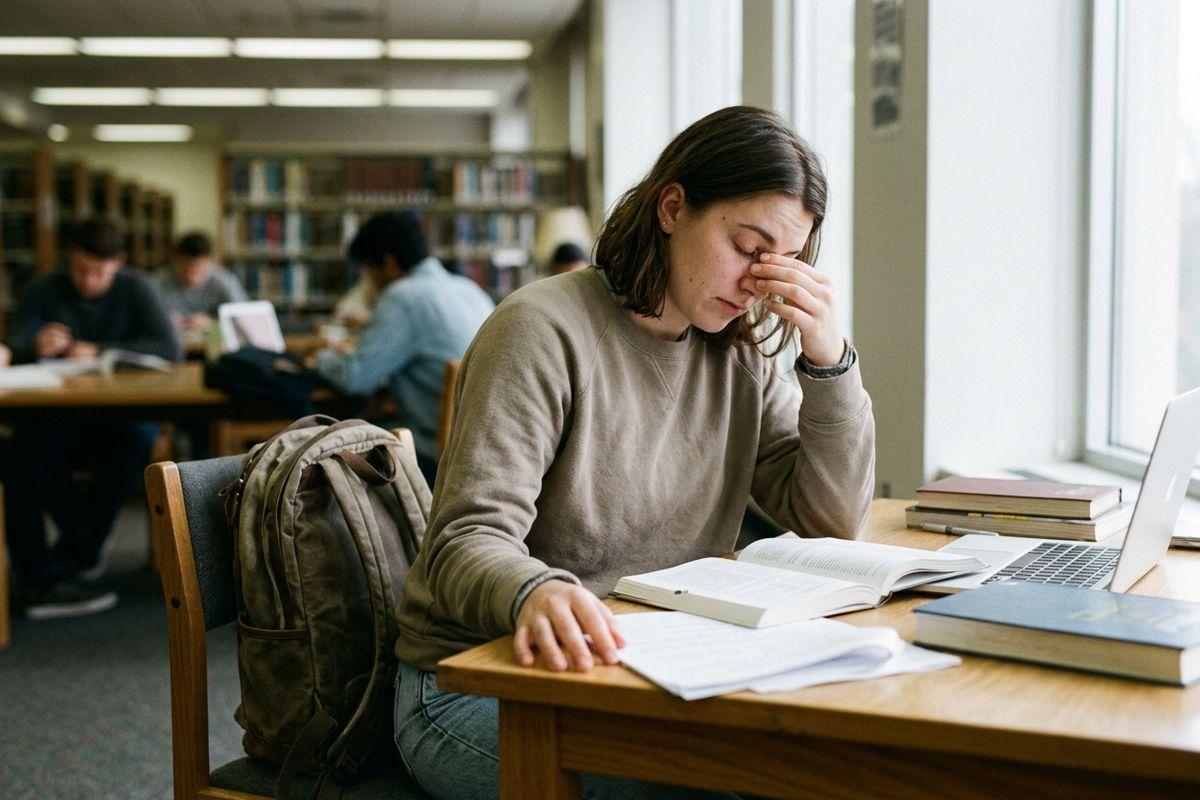
Eye strain feels like tired, sore, or burning eyes paired with blurry vision and headaches. It usually fades once you rest and give your eyes a break.
Symptoms of Eye Strain
The symptoms of eye strain can include:
- Headaches around your forehead and temples
- A sore neck, shoulders, or back
- Trouble staying focused on a task
- Dry and tired eyes
- Light sensitivity
- Heavy eyelids
What Contributes to Eye Strain
A few common habits can leave your eyes feeling tired by the end of the day:
- Long hours staring at screens
- Reading or driving for stretches without breaks
- Dim light, glare, or dry air

How Screens Tire Your Eyes
When your eyes are focused on a screen, you blink less often. This causes your eyes to dry out over time, resulting in symptoms of dry eye.
Sitting too close to your screen or at an odd angle only adds to the load and makes your eyes more prone to strain.
How Long Does Eye Strain Last
For most people, eye strain is short-lived.
- It usually eases once you rest your eyes
- Symptoms fade within minutes to a few hours
- Strain that lingers may signal a vision issue
When Strain Sticks Around
If your eyes feel tired day after day, something deeper might be going on. For example, uncorrected vision problems can keep your eyes working overtime. The right corrective glasses can ease that load.
How to Fix & Prevent Eye Strain
Small changes can give your eyes the break they need. Try these steps and notice how much lighter your eyes feel.
- Use the 20-20-20 rule. Every 20 minutes, look at something 20 feet away for 20 seconds. This gives your eyes time to recover.
- Blink often and sip water through the day to stay hydrated.
- Adjust your lighting, raise your screen to eye level, and sit up straight.
When to See an Optometrist in Colorado Springs
Sometimes rest and breaks aren’t enough. If your symptoms persist, a comprehensive eye exam can identify the underlying problem.
Here are some signs that you should visit your optometrist:
- Your symptoms last even after rest and breaks
- Your vision stays blurry or uncomfortable
- Headaches or light sensitivity keep coming back
What We Look For
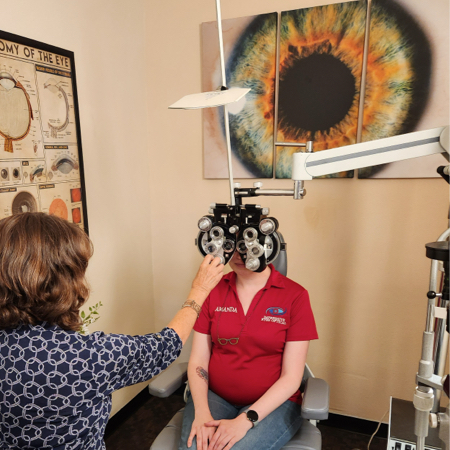
As part of a comprehensive eye exam, our team checks for uncorrected vision and focus problems that might make you prone to eye strain. We also look for signs of dry eye. If you think you might be due for a checkup, here’s how often you should get an eye exam.
Your eyes carry you through every smile, sunset, and road trip, so they deserve a little extra care. When strain won’t quit, our friendly team at Impressive Eyes Optical can help you feel comfortable again. Request an appointment today and give your eyes the break they’ve earned.